

You may be asking yourself “What is Flex Lock?” and why does it matter? Look, we need to have an honest conversation about something the phone industry doesn’t want you to know. You walk into a major retailer, buy an iPhone labeled “unlocked,” and then discover it’s not actually unlocked at all. Welcome to the frustrating world of flex lock – and trust me, it’s costing people hundreds of dollars (and countless headaches).
Here’s the deal: most “unlocked” iPhones sold at big box stores aren’t really unlocked. They’re flex locked, which means they’ll permanently lock themselves to whichever carrier you use first. It’s like buying what you think is a blank canvas, only to find out it’ll permanently stick to the first paint that touches it. Not exactly what you signed up for, right?
Quick Navigation
What Exactly is Flex Lock?
Flex lock (sometimes called “Universal Carrier Policy”) is Apple’s system that allows iPhones to automatically lock themselves to the first carrier network they connect to. Think of it as a mousetrap – the phone sits there looking free and unlocked, but the moment you insert a SIM card, SNAP! It locks to that carrier permanently.
Here’s how it works in plain English:
- You buy an iPhone advertised as “unlocked” from a retailer
- The phone is in a special “waiting to lock” mode
- You insert your SIM card to activate it
- The phone immediately locks to that carrier’s network
- Now you need that carrier’s permission to unlock it (good luck with that)
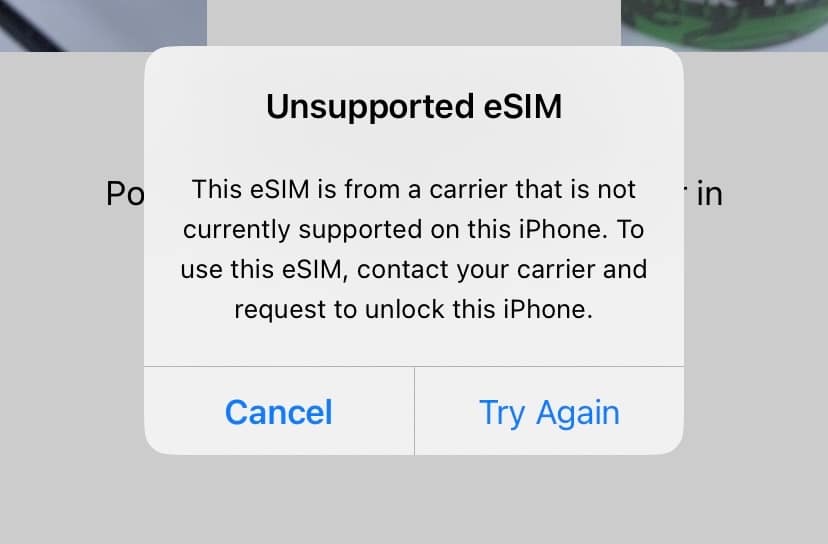
The really frustrating part? If you use a prepaid service or smaller carrier that runs on a major network, your phone might lock to the big carrier instead of your actual service. So if you’re using a prepaid brand that runs on, say, one of the big three networks, your phone locks to that major network – but since you’re not actually their customer, getting it unlocked becomes nearly impossible.
Why Do Retailers Do This?
Let’s be real – retailers love flex lock because:
- They only need to stock one model instead of different carrier versions
- They get kickbacks when phones activate on certain networks
- It’s harder for you to return a “used” locked phone
- They can advertise “works with any carrier” (technically true… once)
The worst part? Many retail employees either don’t understand flex lock or are told not to explain it clearly. They’ll swear up and down that the phone is unlocked, and technically they’re not lying – it’s not locked yet.
Why This is a Huge Problem
Understanding what is flex lock isn’t just about technical knowledge – it’s about avoiding major headaches that can cost you real money and freedom.
You Can’t Switch Carriers
The biggest issue is simple: you’re stuck. Want to switch to a better plan? Too bad. Found better coverage elsewhere? Tough luck. Your “unlocked” phone is now locked, and you’ll need to jump through hoops to change that:
- Wait 60-90 days minimum
- Have an account in “good standing”
- Sometimes need to be a postpaid customer
- Deal with customer service hell
- Maybe get denied anyway
International Travel Becomes Expensive
Planning to travel? That flex locked phone won’t accept international SIM cards. Instead of paying $10 for a local SIM in Europe, you’re stuck with your carrier’s international rates. That “unlocked” phone just added hundreds to your vacation budget.
Resale Value Tanks
A truly unlocked iPhone holds its value incredibly well. A locked one? Not so much:
- Loses $100-300 in resale value
- Many buyers won’t touch carrier-locked phones
- International buyers (often the best market) can’t use it
- You have to list it as “carrier locked” online
The Prepaid/MVNO Nightmare
This is where it gets really messy. If you use a prepaid service or MVNO (basically any carrier that isn’t one of the big three), your phone might lock to the major network they use. But here’s the catch:
- Your actual carrier can’t unlock it (they don’t control the lock)
- The major network won’t unlock it (you’re not their customer)
- You’re stuck in customer service limbo
- Nobody wants to take responsibility
How to Spot Flex Locked iPhones
So how do you avoid buying a flex locked phone? Here are the red flags to watch for:
Where They’re Sold
Almost always flex locked:
- Big box retailers (Best Buy, Target, Walmart)
- Amazon (yes, even when listed as “unlocked”)
- Warehouse clubs (Costco, Sam’s Club)
- Most electronic stores
- “Authorized retailers” in malls
Actually unlocked:
- Apple Stores (when you choose correctly)
- Apple.com (with the right option)
- Some certified refurbished programs
- Used phones already unlocked (verify first!)
Warning Signs in the Store
Run away if you see or hear:
- “Activate today and save!”
- “Universal carrier compatibility”
- Pressure to activate in-store
- Vague answers about unlock status
- Too-good-to-be-true pricing
- Gift cards with purchase (often flex lock incentives)
- “Works with any carrier” instead of “unlocked”
How to Check Your iPhone
If you already have an iPhone, here’s how to check if it’s truly unlocked:
- Go to Settings > General > About
- Look for Carrier Lock
- If it says “No SIM restrictions” = You’re good!
- If it shows a carrier name or “SIM locked” = It’s locked
But remember – if the phone hasn’t been activated yet, it might show “No SIM restrictions” even if it’s flex locked. The trap hasn’t sprung yet.
Where to Actually Get an Unlocked iPhone
Here’s the good news: you CAN get a truly unlocked iPhone 17 (or any iPhone). You just need to know where and how to buy it.
The Golden Rule: Buy Direct from Apple
This is your best bet, but you need to choose the right option:
Online at Apple.com:
- Go to apple.com/iphone
- Select your iPhone model
- Choose color and storage
- IMPORTANT: Select “Connect to any carrier later”
- Yes, it costs $30 more for base models (Pro models same price)
- That $30 is the best insurance you’ll ever buy
At an Apple Store:
- Tell them you want an unlocked iPhone
- Specifically say “Connect to any carrier later”
- Don’t let them select a carrier for you
- Refuse any “activation offers”
- Pay the extra $30 and walk out free

Why That Extra $30 is Worth It
Think about it:
- Freedom to switch carriers anytime = priceless
- Better resale value = get that $30 back and more
- International travel flexibility = save hundreds
- No customer service nightmares = save your sanity
- Use any prepaid or MVNO service = save monthly
- Freedom to switch carriers anytime = priceless (and with services like US Mobile offering multiple network options on one account, you’ll actually use that freedom)
What About Financing?
Want to finance that unlocked iPhone? You’ve got options:
- Apple Card: 0% interest for 24 months
- Other credit cards: Use your own card’s benefits
- Buy now, pay later: Klarna, Affirm at Apple checkout
Just avoid carrier financing if you want to stay unlocked. Even if they promise to unlock it later, you’re at their mercy. Check out our blog post on the best Buy Now, Pay Later options you have.
What If You Already Bought a Flex Locked Phone?
Already got stuck with a flex locked phone? Here’s what you can do:
If You Haven’t Activated Yet
STOP! Don’t insert any SIM card. You still have options:
- Return it immediately (don’t mention flex lock, just say you changed your mind)
- Sell it as “unactivated” to someone who’ll use that carrier anyway
- Think carefully about which carrier to lock it to if you must keep it
If It’s Already Locked
Time to fight for your unlock:
- Check the unlock requirements for the carrier it locked to
- Wait it out – usually 60-90 days of service required
- Meet their requirements – paid off, good standing, etc.
- Submit unlock request through their app or website
- Follow up aggressively if denied
If You’re Stuck in MVNO Limbo
(Using a prepaid service but locked to the major network)
This is harder but not impossible:
- Contact the major carrier directly
- Escalate to supervisors immediately
- Try social media support teams
- File an FCC complaint if needed (this actually works!)
- Consider temporarily switching to that carrier to meet unlock requirements
The Bottom Line
Look, understanding what is flex lock shouldn’t be necessary. “Unlocked” should mean unlocked, period. But until that changes, you need to protect yourself.
Remember:
- Most “unlocked” phones at retailers are flex locked
- They lock permanently to the first carrier used
- Getting them unlocked is a nightmare
- Buy directly from Apple and choose “Connect to any carrier later”
- That extra $30 is worth every penny
Your phone should work for you, not trap you. Don’t let flex lock take away your freedom to choose the best service for your needs. Get truly unlocked, stay truly free.
What is flex lock in simple terms?
Flex lock is when an “unlocked” iPhone automatically locks itself to the first carrier you use. It’s like a trap that springs shut the moment you insert a SIM card, turning your unlocked phone into a carrier-locked phone permanently.
Why do stores call flex locked phones “unlocked”?
Technically, the phone isn’t locked to any carrier when you buy it – it just locks itself later. Retailers use this technicality to advertise them as “unlocked” even though they know it will lock. It’s misleading at best.
Can I unlock a flex locked iPhone myself?
No, only the carrier it locked to can unlock it. There’s no hack or code to bypass this. You’ll need to meet their unlock requirements (usually 60-90 days of service, device paid off, account in good standing).
How can I tell if a phone is flex locked before buying?
Ask specifically: “Will this phone lock to the first carrier I use?” Get the answer in writing. Be suspicious of any “unlocked” phone not sold directly by Apple. If it’s from a big box retailer and labeled “unlocked,” it’s probably flex locked.
Is Apple the only place to get truly unlocked iPhones?
Apple Stores and Apple.com are the most reliable sources. Some authorized resellers like B&H Photo might have truly unlocked phones, but always verify. Used phones that are already unlocked work too, but check the settings before buying.
What happens if I use a prepaid carrier with a flex locked phone?
Your phone might lock to the major network your prepaid service uses, not your actual carrier. This creates a nightmare situation where neither your carrier nor the major network wants to help unlock it.
Is flex lock legal?
Currently yes, though many consider it deceptive. Some states are looking at legislation, and there are ongoing lawsuits. But for now, retailers can legally sell flex locked phones as “unlocked.”
Will my flex locked phone work normally with the carrier it’s locked to?
Yes, it’ll work fine with that carrier. The problem is you can’t switch carriers without unlocking, can’t use international SIMs, and the resale value is much lower.
408 Comments